





Stay in the know
Receive timely insights and briefings from HSF Kramer, tailored to keep you informed and ahead
Subscribe now
Our energy, mining and infrastructure sectors are world leading and a differentiator for our firm – and growth in our energy practice is central to our global ambitions. As a leading global energy law firm we act for the world’s foremost energy companies on their first-in-market and biggest, most complex projects.
Our more than 700 strong team includes over 100 partners globally – get to know our newest energy sector partners in this Q&A series.
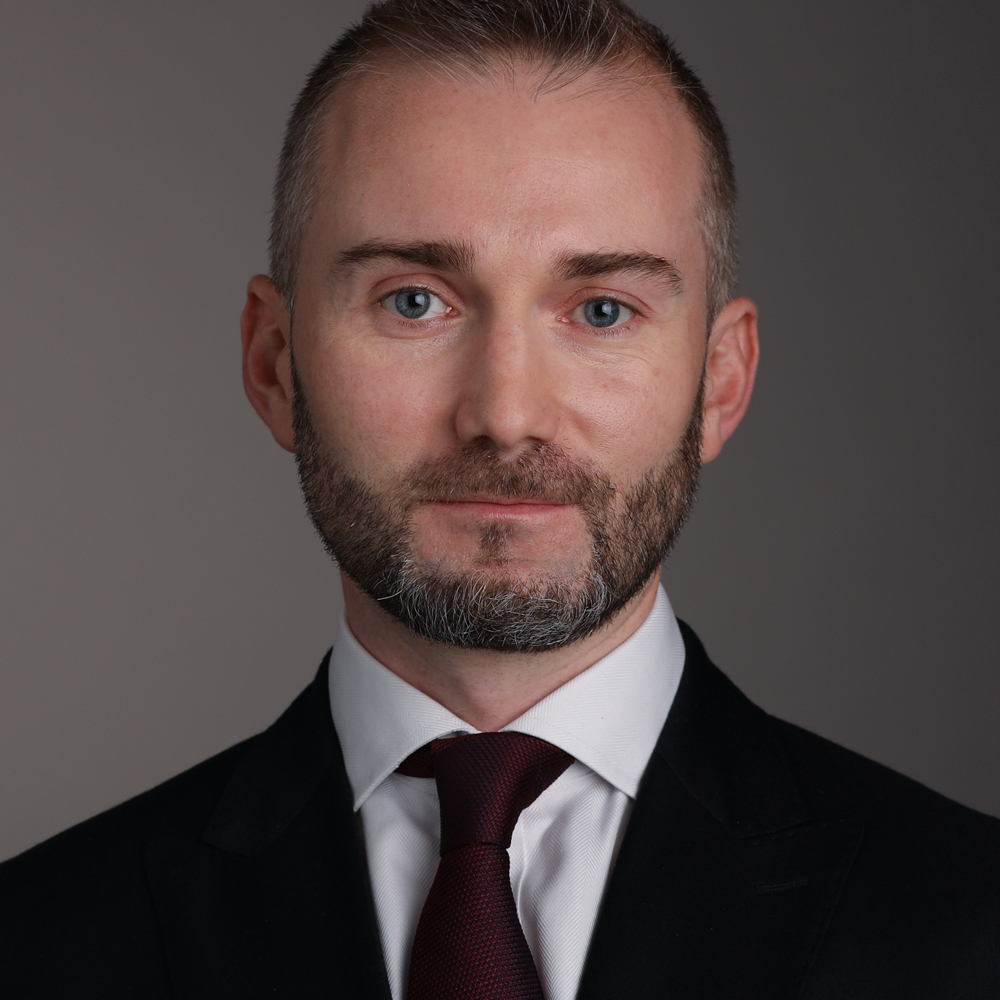
What do you love about working in/with the Energy sector?From an M&A perspective, it’s an exceptionally dynamic space — combining complex assets, long investment horizons and significant private capital participation. What makes it particularly compelling is that you’re not just executing transactions; you’re helping shape the infrastructure and technologies that underpin long-term economic growth and energy security. I also find the sector interesting because it has evolved beyond a purely ESG-driven narrative. Today, investment is increasingly being driven by hard demand fundamentals, creating sustained activity across generation, storage, transmission and digital infrastructure. That combination of strategic relevance, complexity and sustained deal activity is what makes the sector so engaging. What trend/s are you watching closely?One of the key trends I’m watching is the increasing convergence between energy and digital infrastructure. While decarbonisation remains a core driver, the market is now increasingly shaped by structural demand growth. The expansion of AI, cloud computing, data centres and broader electrification is accelerating global power demand at a pace that existing grids were not designed to support. At the same time, grids, permitting regimes and supply chains remain constrained. As a result, projects are becoming larger, more complex and more capital intensive, with development, financing and operational considerations needing to be addressed in a far more integrated way. This is also reshaping the deal landscape. Transactions increasingly sit at the intersection of energy, infrastructure, technology and private capital, requiring more sophisticated structuring, longer investment horizons and a broader regulatory and commercial lens. In my view, the interplay between AI-driven demand, electrification and large-scale investment is one of the defining forces currently reshaping the sector.
|
|
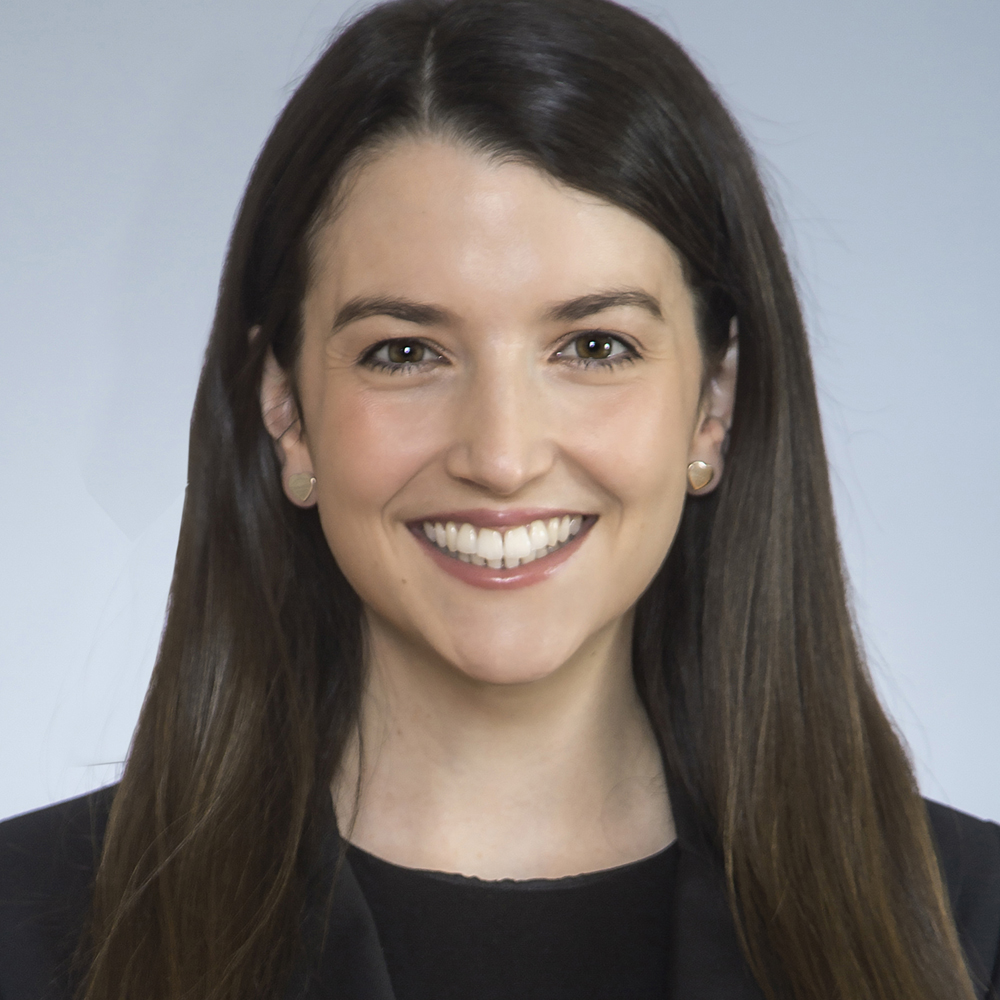
What do you love about working in/with the Energy sector?The energy transition is one of the most significant structural shifts of our time, and the legal and commercial frameworks underpinning the sector are being rebuilt alongside it — there are genuinely novel problems without established answers. That constant process of working through uncharted territory, at a scale where the outcomes actually matter, is what makes it compelling for me. What trend/s are you watching closely?The accelerating pace of electrification and the rise of consumer energy resources are fundamentally reshaping who participates in energy markets and on what terms. Layered on top of that is the rapid growth of AI and data centre infrastructure, which is creating significant new pressures on grids that were not designed for them. How regulatory frameworks evolve to meet these shifts is something that I am following. The change and complexity that this creates can present real risk, but also genuine opportunity for clients who engage with it.
|
|
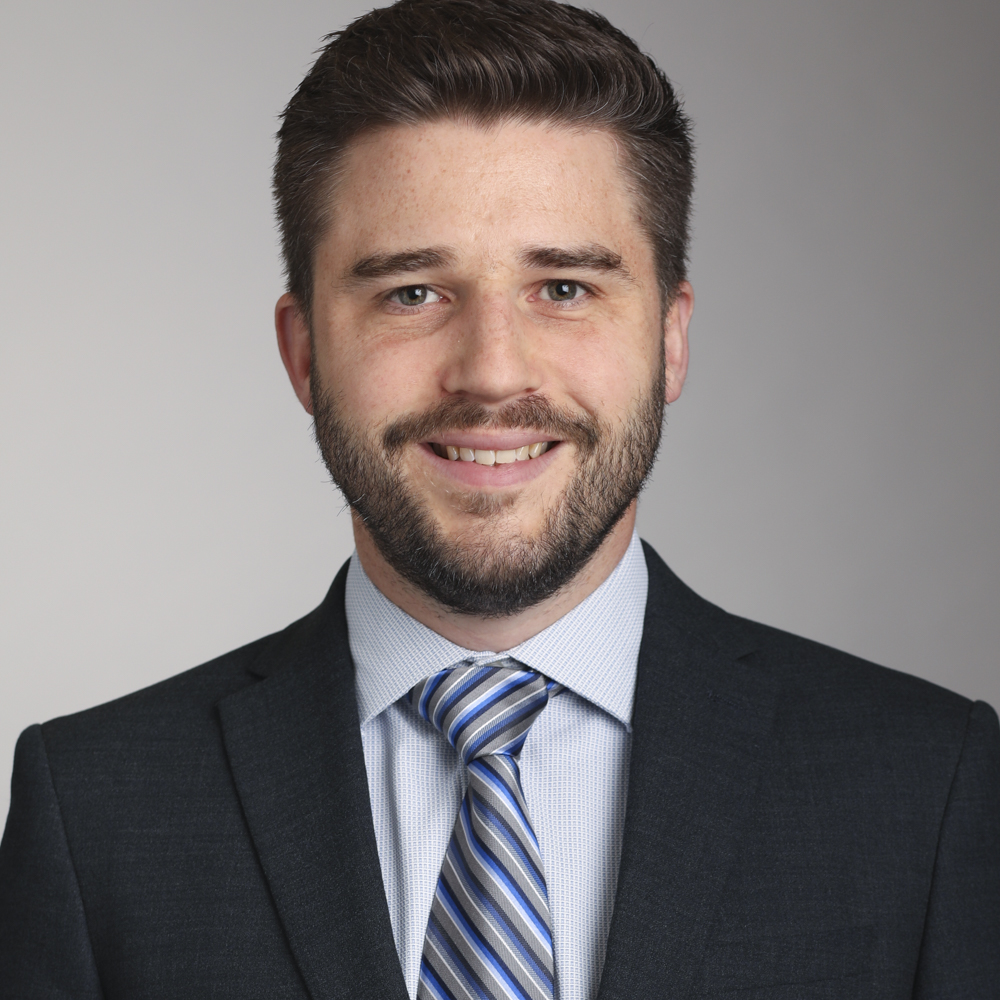
What do you love about working in/with the Energy sector?I enjoy the variety of the challenges the work brings, the geo-political complexities that exist in the sector and how they influence planning cases, and the importance/societal contribution of the projects we work on. What trend/s are you watching closely?From a planning perspective – the UK political uncertainty, combined with the on-going grid connection reform and move towards strategic network planning, presents a challenging development/investment position for projects at the moment and means seeking flexibility in the project consent is more important than ever.
|
|
What do you love about working in/with the Energy sector?Being part of the collective endeavour to reshape how the world is powered. Helping our clients to navigate complexity in a sector so fundamental to our future feels like meaningful work. What trend/s are you watching closely?Fragmentation of energy market rules and policy across Australia's states and territories demands close attention. The evolution of distinct political and regulatory environments across the jurisdictions presents diverging sets of risks and opportunities for energy market participants and stakeholders.
|
|
What do you love about working in/with the Energy sector?Sector expertise comes from a practical understanding of the business and facilitates the ability to drive true commercial outcomes. What trend/s are you watching closely?Unprecedented demand for critical minerals is causing the mining sector to become a foundational enabler of decarbonization and a key driver of the energy transition.
|
|
What do you love about working in/with the Energy sector?What I find most rewarding is the energy sector's multi-decade horizon, which allows insight to be progressively built and refined through repeated involvement in comparable projects over time. What trend/s are you watching closely?I am closely tracking how heightened competition among major powers, together with the broader deployment of sanctions regimes, is redefining market dynamics and the risk profile of cross border energy investments.
|
|
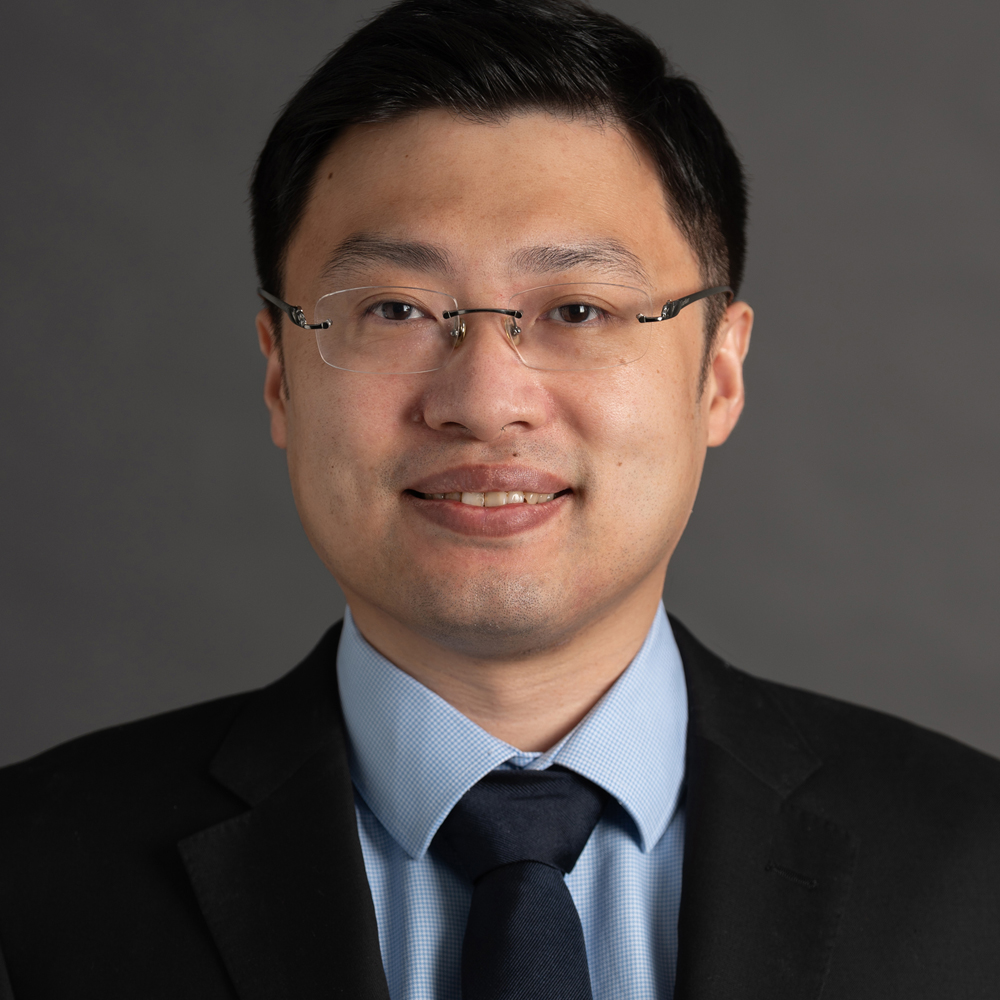
What do you love about working in/with the Energy sector?What draws me to the energy sector is how closely it is tied to everyday life. Energy is fundamental to everything that impacts us – economic growth, infrastructure development, and the overall quality of our lives. Without power, we can barely function. So working in this sector allows me to be involved in projects and transactions that have a real impact, and to experience the satisfaction of having contributed, at least in some small way, to improving how society functions. What trend/s are you watching closely?The sector is incredibly dynamic and continues to evolve with Indonesia's shifting energy landscape. While conventional energy remains essential for meeting the ever-growing demand for power in Indonesia, there is an increasing emphasis on energy transition and decarbonisation. This in turn has created significant opportunities in renewable energy, carbon markets and other initiatives supporting long-term sustainability
|
|
What do you love about working in/with the Energy sector?It is hard to think of another sector that sits so squarely at the intersection of politics, economics and climate policy. The pace of change is rapid, and keeping pace with it makes for consistently challenging and varied work. It is also genuinely rewarding to advise on projects that are reshaping how the world produces, stores and consumes energy. What trend/s are you watching closely?The renewables industry's approach to merchant risk. As subsidy regimes mature and developers evolve into IPPs, sponsors and investors are showing a greater appetite for merchant exposure. That shift is changing how projects are developed, owned and monetised. It is also driving creativity around revenue strategies and offtake arrangements.
|
|

Partner, Head of Energy Sector, Singapore

Partner, Head of Energy Sector, London

Partner, Head of Energy Sector, London
The contents of this publication are for reference purposes only and may not be current as at the date of accessing this publication. They do not constitute legal advice and should not be relied upon as such. Specific legal advice about your specific circumstances should always be sought separately before taking any action based on this publication.
© Herbert Smith Freehills Kramer 2026
Receive timely insights and briefings from HSF Kramer, tailored to keep you informed and ahead