


Stay in the know
Receive timely insights and briefings from HSF Kramer, tailored to keep you informed and ahead
Subscribe now
The full impact of these tariffs is yet to be felt but, with the global economic outlook worsening, the OECD has once again urged governments around the world to co-operate on making trade policy more predictable as labour markets soften and inflation pressures increase.
While disputes typically lag behind economic shocks, businesses are already reviewing their contracts and commercial partnerships, which is often an early indicator of arbitration filings and court cases to follow.
In this article we outline the emerging disputes risks, explore the regions most heavily impacted and explain the best tools businesses can use to review their contracts and joint venture arrangements.
There have been disputes already associated with market volatility and trade disruption this year, but there are signs of a more contentious environment emerging. Businesses are engaging in advisory work, seeking advice on how to navigate complex contracts due to market swings caused by tariff measures. Typically, formal disputes follow a period of attempted renegotiations and subsequent legal advice.
While formal termination of a contract would typically be a last resort, the moment its economic basis is fundamentally altered, companies begin assessing their legal position. That trend is underway.
"This advisory work is a direct reflection of the heightened risk environment, and it signals an upwards trend for disputes in the coming months and years," says London-based arbitration partner Charlie Morgan.
Volatile trade policies are a direct threat to the risk profile of international investments. Increasing tariffs and levies threaten project margins and increase risks of supply chain instability. This is particularly the case for businesses in jurisdictions heavily exposed to the manufacturing industries supporting global supply chains for technology and industrial exports. In turn, those challenges can create significant friction between project stakeholders or lead to intractable funding or operational challenges leading to unavoidable disputes.
As a result, tensions within joint ventures may increase. According to Singapore-based arbitration partner Dan Waldek: "In the next 12 to 36 months we expect to see an increase in joint venture disputes where international investors are partnered with local partners."
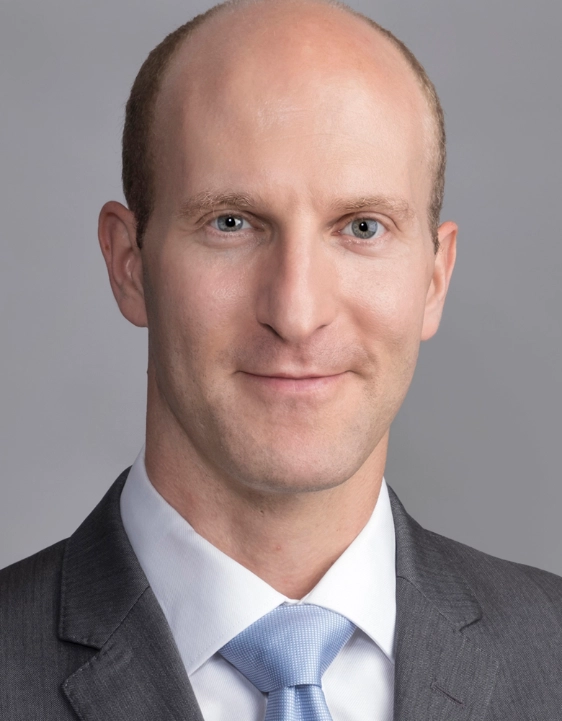
Daniel Waldek
Partner
A well-drafted contract remains the first line of defence for mitigating these risks. The most effective agreements anticipate volatility, with specific clauses designed not just to manage external risks but to govern the relationship between partners when those risks materialise. Key provisions may include cost-escalation clauses, which are particularly common in infrastructure JVs to provide a clear mechanism for handling funding calls when project economics shift. Similarly, force majeure clauses, material adverse effect clauses and suspension rights create an agreed-upon process for pausing particular activities when particular disruption occurs.
Beyond drafting, businesses are also exploring how technology can help manage these risks. According to Morgan, "For businesses with large investment portfolios, modelling legal risk at scale is a real challenge. Some legal teams are using AI-powered platforms to help them move from a reactive approach to a more proactive risk mitigation strategy, saving time and avoiding costly legal disputes."
This will vary between investors. In Asia, Japanese investors often adopt a longer-term horizon while private equity investors work within shorter timeframes.
"Investors might hold out thinking there are another three years of the current US Administration and maybe there are measures they can put in place to manage their risk exposure," says Waldek. "Maybe they can sell less of their product to America and sell more somewhere else, but that is economic navel-gazing."
No region has been immune from the current protectionist trends, with many jurisdictions now anticipating global trade changes for the foreseeable future. The unpredictability of these tariff regimes continues to threaten regional supply chain stability, accelerate the search for market diversification and prompt some to rethink their global sourcing strategies to manage escalating legal and operational risks.
Immediate attention centred on Southeast Asia, where key manufacturing hubs and "China Plus One" supply chains are now facing higher import levies and more stringent rules designed to influence the routing of goods.
Meanwhile, North American industries face disruption from new duties impacting sectors like automotive manufacturing, and European exporters must contend with higher tariffs on their goods and internal market defensive measures that impact specific industries like steel. In turn, these global trends disrupt other emerging markets, which are finding it harder to attract global capital and face softening international demand.

Charlie Morgan
Partner
"The key is to be proactive," stresses Morgan. "The time to assess your legal position is before a crisis hits. You should be in constant dialogue with your legal and commercial teams to understand your contractual risk exposure."
"I'd be looking at cost-escalation clauses for supply contracts and material adverse effect type provisions in joint ventures and consortia," says Waldek. "A lot of that will be relevant to the construction and infrastructure sectors and parties now facing the indirect impact of tariffs on costs of goods should be looking at that. When it comes to fundamental investment decisions – do we build this plant, should we ice our planned expansion – then it's about exploring the contractual tools to mitigate your exposure down the line backed by a clear and stress-tested strategy."

Partner, Head of International Arbitration, London and Paris

Managing Partner, Singapore Office, Singapore

Partner, Head of International Arbitration, US, London and New York

Partner, London

Partner, Singapore

Partner, Head of Disputes, China and Japan and Head of Private Capital, Asia, Hong Kong

Partner, Brussels and London
The contents of this publication are for reference purposes only and may not be current as at the date of accessing this publication. They do not constitute legal advice and should not be relied upon as such. Specific legal advice about your specific circumstances should always be sought separately before taking any action based on this publication.
© Herbert Smith Freehills Kramer 2026
Receive timely insights and briefings from HSF Kramer, tailored to keep you informed and ahead