


Transactions
The value of everything
View our insights
The Swiss M&A landscape exhibited familiar themes in 2025. Domestic and inbound deal value held steady, with a total deal value of US$27 billion representing a slight decrease on 2024 figures. The position was similar for outbound investment – deals totalling US$48 billion were announced in 2025, and this was once again propped up by transactions of significant value in the healthcare sector. Despite a challenging global environment, Switzerland’s M&A activity held firm, underpinned by robust economic conditions and attractive sector opportunities.
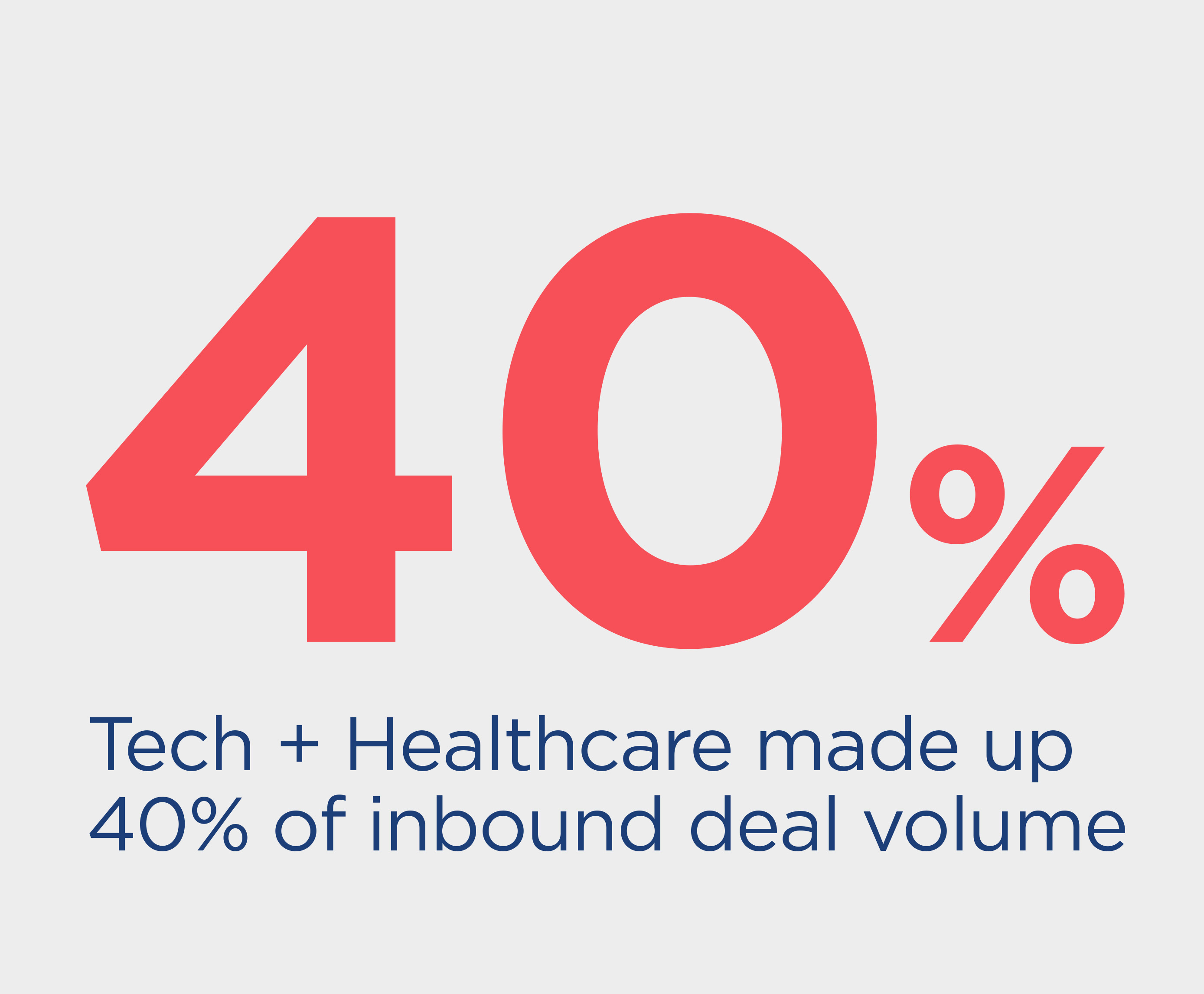
Technology and healthcare deals dominated the inbound market in 2025 in terms of number of transactions, with both sectors together making up 40% of deal volume. In terms of acquirer location, Germany continued to be the most active inbound investor nation by deal volume, with the US and France making up the top three nations.
The largest inbound deal of the year was in the technology sector – the merger of Shift4 Payments, Inc. (NYSE) with Global Blue Group Holding AG (US$2 billion). The acquisition of Feed Enzyme Alliance by Novozymes A/S (US$1.54 billion) and Veraxa Biotech AG's merger with Voyager Acquisition Corp (US$1.3 billion) were the second and third largest inbound deals by value respectively.
In spite of the challenges posed by heavy US tariffs, the US remained the largest importer of Swiss goods by value in 2025. Strong and stable economic fundamentals, including low unemployment and low inflation, suggest a positive outlook for 2026.
Healthcare similarly dominated outbound activity, accounting for five of the top ten deals by value. Novartis AG's US$9.9 billion merger with Avidity Biosciences Inc was the largest deal of the year, followed by the Partners Group-led consortium acquisition of Techem GmbH (US$7.83 billion) and Roche Holding AG's merger with 89bio Inc (US$3.18 billion). Of note was Novartis AG's outbound activity, with the company appearing four times in the top ten deals by value.
Also featuring in the top ten is Swiss-based Coca-Cola HBC’s acquisition of a 75% stake in its African counterpart for US$2.6 billion, creating the world’s second largest Coca-Cola bottling partner by beverage volume.
A key development in 2025 was the increase in outbound M&A involving private capital – total deal value soared compared to 2024 figures, with a total value of US$19 billion.
After healthcare, energy deals accounted for just under a quarter of total outbound deal value, with all other sectors trailing far behind in terms of their share of the total outbound deal value. Germany saw the most deal activity from Swiss firms, while the US was a close second. It is expected that US firms will remain key targets in 2026 against the backdrop of Switzerland's US$200 billion investment commitment given as part of the recent US-Swiss trade deal.
2025 saw Switzerland and the EU consolidate trade relations with a new trade agreement. With increased regulatory alignment and enhanced access to EU markets, we may see increased valuations for Swiss targets in 2026 and beyond. The agreement promises opportunities for Swiss pharma and energy companies in particular – for example, Switzerland now enjoys access to Horizon Europe funding, and energy firms will benefit from integration into the EU electricity market. Continued strong economic ties in the region will see intra-European, cross-border M&A remaining an important part of the Swiss M&A landscape.
A key development to monitor through 2026 will be how the introduction of FDI controls begins to impact Swiss M&A activity. Key sectors such as healthcare and energy – core to inbound Swiss M&A prospects – will be caught by the regime. Despite the investor-friendly scope of the Investment Screening Act, which is not due to be implemented this year, investors should be alive to updates on the extent to which the proposals may affect transactions – for example in relation to due diligence and notification procedures.
The US's commitment to limit tariffs on Swiss goods to 15% (instead of the initial 39%) will provide important confidence for investors and corporates seeking reliable revenue streams in Switzerland, while enhanced access to South American markets, provided by the 2025 EFTA-Mercosur FTA, provides further opportunities for growth. If international investors are willing to overcome the valuation hurdle imposed by a strong Swiss Franc, 2026 may prove to be a busy year in Swiss M&A due to both good growth prospects and a solid domestic economy.
Because of the diversity of its economy (life sciences and pharmaceutical, banking, technology, industrial, consumer, luxury, etc.) and its political stability, the Swiss economic landscape is relatively well-equipped for weathering the global uncertainties of 2026.
The value of everything
The contents of this publication are for reference purposes only and may not be current as at the date of accessing this publication. They do not constitute legal advice and should not be relied upon as such. Specific legal advice about your specific circumstances should always be sought separately before taking any action based on this publication.
© Herbert Smith Freehills Kramer 2026
Receive timely insights and briefings from HSF Kramer, tailored to keep you informed and ahead